

Reclaim Your Life

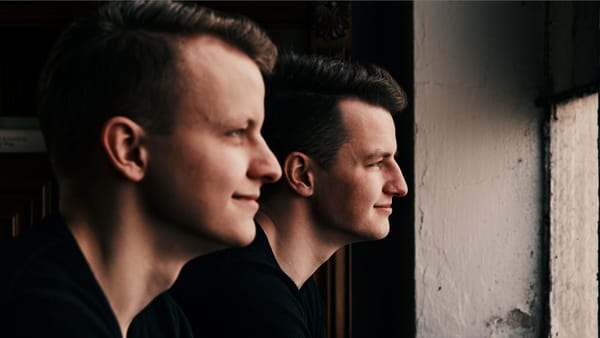
We watched our dad go through classical cancer care in Germany. He was diagnosed, put into surgery, given chemotherapy, and sent home without any more guidance. None of the attending doctors checked for critical micronutrient levels, like vitamin A or D3, nor did they tell him how he could ameliorate the adverse effects of his therapy.

This may sound familiar to you.

Now, we don't know whether their shortcoming was an oversight or lack of knowledge on the subject, but the scientific literature reveals a plethora of rather risk-free tools we can use to lessen the severity of the adverse effects of chemo- and radiotherapy.

You don't need to suffer to win against your cancer. Or in the very least, you don't need to suffer as badly. You don't need to puke your guts out multiple times a day. You don't need to experience tingling pain in your feet and fingertips. You don't need to get nosebleeds at random. You don't need to have twinging pains all over your body. And you don't need morphine to be able to smile through the pain.

None of these things improve your success of treatment. Chemo- and radiotherapy don't need to make you suffer to be successful. You have it in your power to shield your healthy cells from the adverse effects of these therapies and simultaneously improve their therapeutic efficacy against cancer cells.

This is what we specialise in. Extending the lives of patients, simply for them to eke out the agonies of Hell here on earth, isn't a worthy deed. Extending the lives of patients in such a way that they truly have more time to enjoy and live more fully, however, is a worthy deed.

Hence we focus on doing three things in the following order:

  1. Improve patient quality of life.
  2. Extend patient duration of life.
  3. Improve patient chance of cure.

We do this in the given order, because the quickest and most immediate change you'll feel is a decrease in pain and increase in your wellbeing. Eventually, CT-scans, PET-scans, blood screening, etc. may show, that your life expectancy indeed has been extended, but the most immediate thing to improve is your quality of life.

Now, cancer is an exceedingly complex disease with many different manifestations. There is no one-size-fits-all solution to it. However, our human physiology is quite the similar across individuals. We can use that, for the similarity between individuals means, that we can focus on supercharging our healthy cells and tissues, to attempt to achieve all three of the above aims.

This may not be a cure for every single patient, but it will improve the quality of your life and extend the life you have, so that you may enjoy it with your loved ones.

We do think, you can use our methods on your own. It may be difficult, it may require some getting used to, but we believe it to principally be possible. Hence, we offer our Mosaic Method Guide for free.

Nonetheless, for those who want more support, we offer personalised coaching.

In one-on-one sessions, we develop a treatment strategy complimenting classical cancer care together with you and tailored to your disease and situation. We will go over research to find the best way to improve your quality of life, extend your duration of life, and improve your chance of cure.

As you may know from the Mosaic Method Guide, there are many interventions, which can compliment standard care and help you live longer and better.

So far, our coaching has helped with

  • Multiply metastatic prostate cancer: normalisation of pain to allow for discontinuation of morphine, improvement of pedal neuropathy, inactivation of bone metastases, life expectancy raised from under 18 months to over 5 years within 7 months.
  • Multiply metastatic, malignant pleural mesothelioma: improvement of peripheral neuropathy, no life expectancy at diagnosis due to uncertainty, median overall survival of pleural mesothelioma patients ranging from 10 months to 58 months depending on study populations, treatments, stage at diagnosis, and other factors,1–5 patient currently alive and thriving 4 years after the initial diagnosis.

Additionally, we recently began working with a patient suffering from thrombocythaemic polycythaemia vera. Due to the recency, however, we do not feel that the results are significant enough to warrant publishing.

Now, we would love to guarantee that within a year of working with us, you will be free of pain, have your cancer in remission, or see equally good results as our previous clients. But we are dealing with biology and cancer, where there are no 100%. We simply cannot make such a guarantee to you without lying to you. And lying is not something we do.

Whilst we cannot guarantee that you will achieve the exact same results, we can guarantee that you will receive the same level of service. To that end, we offer a money-back guarantee. If you are not convinced of our service within 2 sessions of your purchase, or if you don't see any improvements in your quality of life within three months of your purchase, you can request a full refund, no questions asked (see our Terms of Service).

If you are interested in a strategy tailored to your disease, support on its implementation, and answers to any questions you might have, you can book a discovery call below.


References

  1. Milano MT, Zhang H. Malignant Pleural Mesothelioma: A Population-Based Study of Survival. Journal of Thoracic Oncology. 2010;5(11):1841–8.
  2. Survival statistics for mesothelioma | Canadian Cancer Society [Internet]. [cited 2025 Oct 21]. Available from: https://cancer.ca/en/cancer-information/cancer-types/mesothelioma/prognosis-and-survival/survival-statistics
  3. Rahouma M, Aziz H, Ghaly G, Kamel M, Loai I, Mohamed A. Survival in Good Performance Malignant Pleural Mesothelioma Patients; Prognostic Factors and Predictors of Response. Asian Pac J Cancer Prev. 2017;18(8):2073–8.
  4. Milano MT, Zhang H. Malignant Pleural Mesothelioma: A Population-Based Study of Survival. Journal of Thoracic Oncology. 2010;5(11):1841–8.
  5. Amin W, Linkov F, Landsittel DP, Silverstein JC, Bshara W, Gaudioso C, et al. Factors influencing malignant mesothelioma survival: a retrospective review of the National Mesothelioma Virtual Bank cohort. F1000Res. 2019 June 3;7:1184.